You want gentle, effective relief when cramps hit. This Chinese herbal tea recipe focuses on simple herbs traditionally used for menstrual discomfort and mild bloating.
You’ll learn exact measurements, simmer times, and safe ways to customize the brew. No fuss, just clear steps to make a soothing cup at home.
How to Make Chinese Herbal Tea for Period Cramps
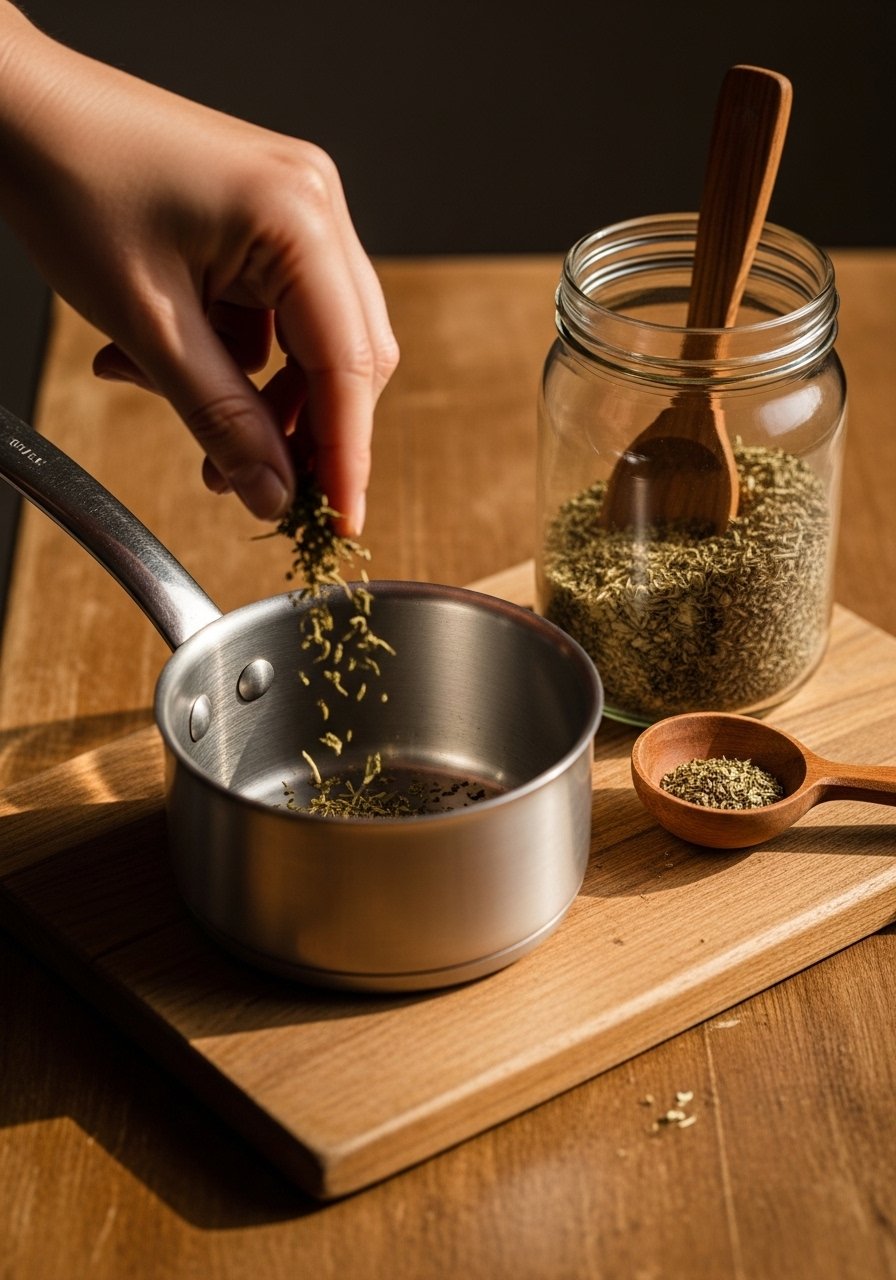
This is a warming, slightly sweet-bitter herbal decoction. Expect a light amber color, gentle spice from cinnamon and ginger, and a mildly earthy finish from angelica (dang gui).
Sip warm. The texture is thin like tea, not syrupy.
Ingredients
- 4 g Dang Gui (Angelica sinensis) — traditional for cramp relief; use slices or small pieces.
- 3 g Cinnamon stick (cassia) — broken into 1-inch pieces for warmth.
- 3 g Fresh ginger slices (or 1 g dried) — reduces cramps and nausea.
- 2 g Red dates (jujube), halved — adds sweetness and balances herbs.
- 800 ml filtered water — for a 2–3 cup batch.
- Optional: 1 tsp rock sugar or honey to taste (add after cooking).
Step-By-Step Instructions
Prepare and Measure
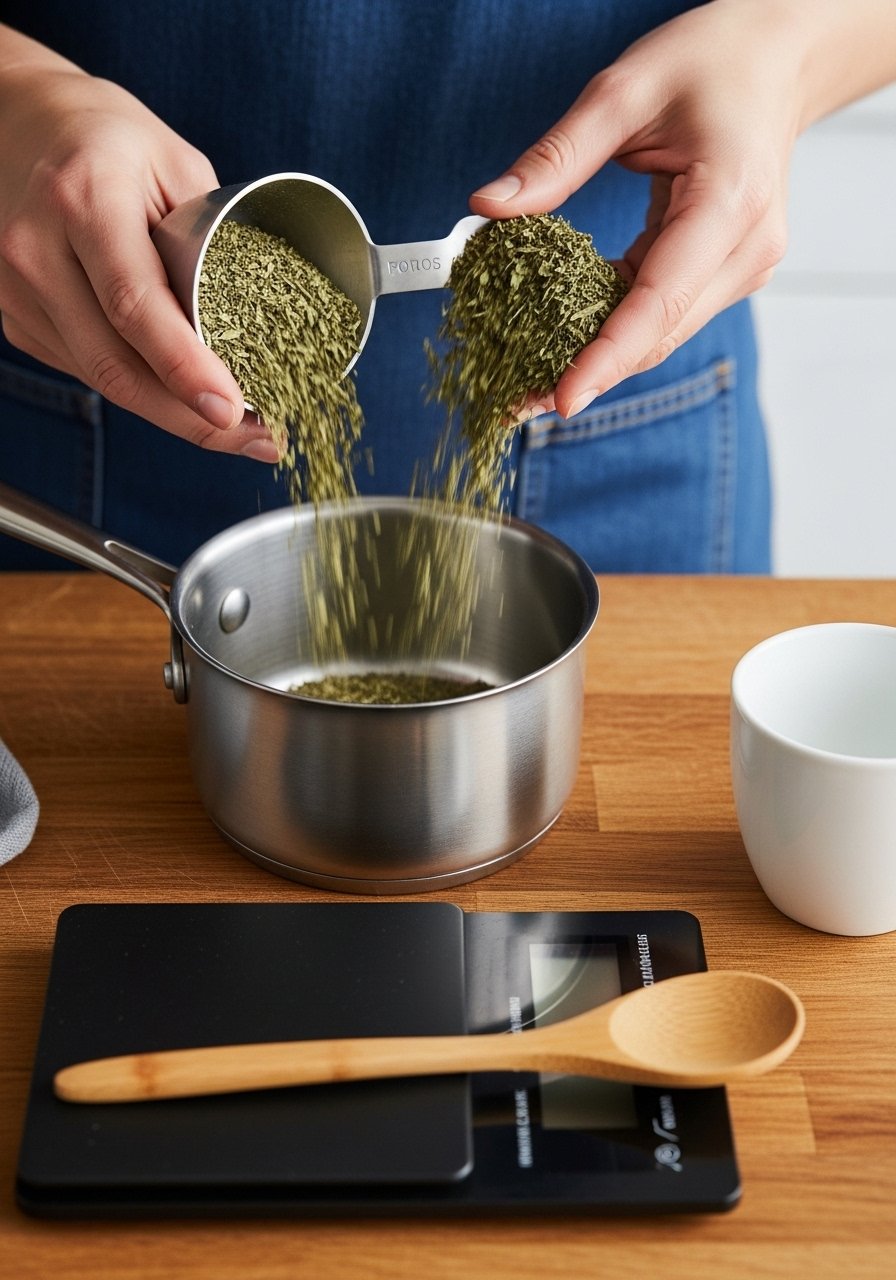
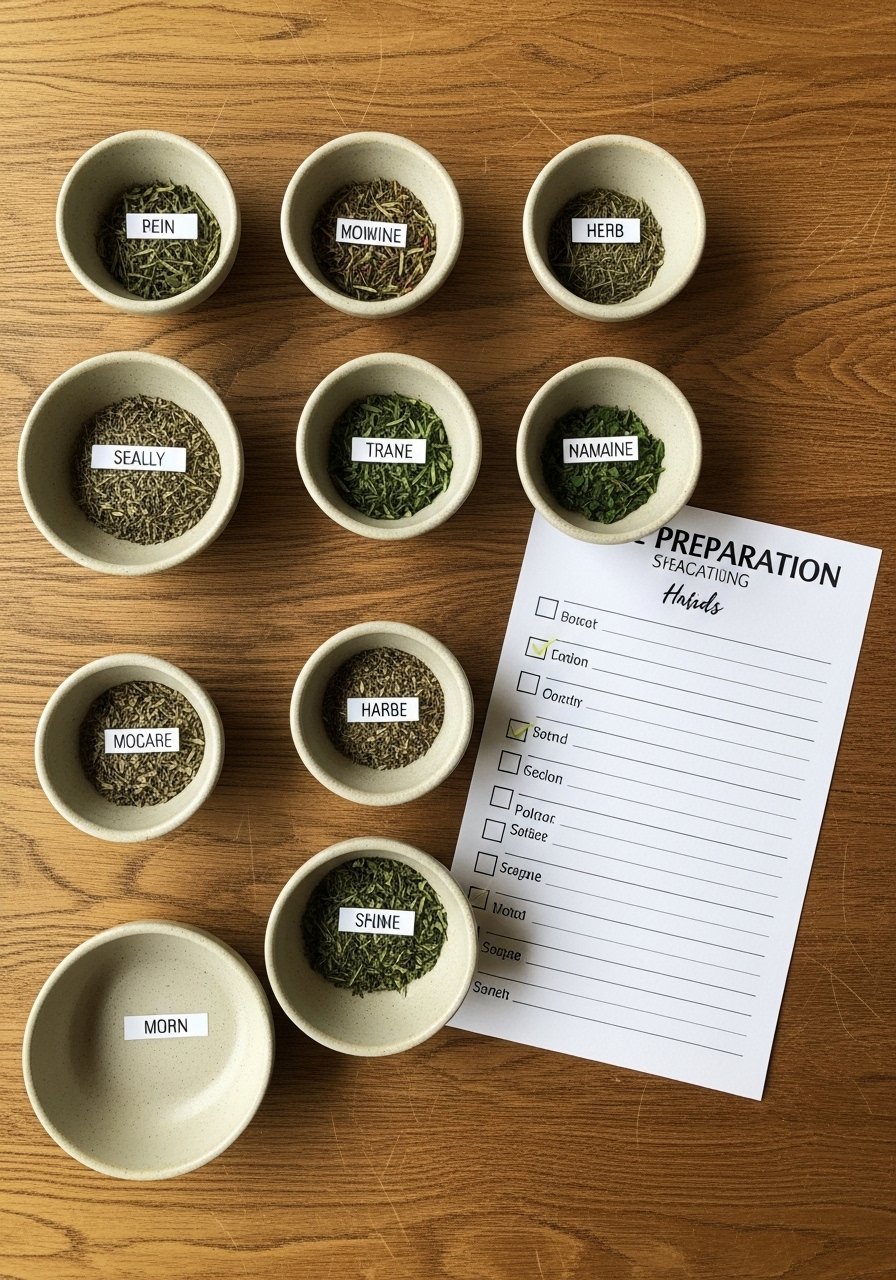
Weigh each herb using a digital scale for accuracy (use 4 g dang gui, etc.). Rinse roots and dates briefly under cold water to remove dust. Precise measurements keep potency consistent and safe.
Tools: digital scale and small bowls. Amazon recommendation: a compact digital kitchen scale for repeatable batches.
Rinse and Bloom
Place herbs in a small saucepan. Pour 200 ml boiling water to bloom herbs for 30 seconds, then discard that water. This removes surface impurities and starts releasing volatile oils. It also prevents bitterness.
Simmer Gently
Add 800 ml fresh filtered water and bring to a gentle simmer (not a rolling boil). Simmer uncovered for 20–25 minutes on low heat. Look for a light amber color and aroma rising. Low simmer extracts beneficial compounds without over-reducing volume.
Recommended pot: a small stainless saucepan or a clay teapot. Try a stainless steel saucepan.
Strain and Serve
Turn off heat, strain into cups using a fine mesh strainer, and discard solids. Sweeten if desired with honey once slightly cooled. Drink warm—about 150–200 ml per serving. Store leftovers covered in the fridge up to 24 hours and rewarm gently.
Helpful tool: a fine mesh strainer to catch small herb bits.
Dosage And When To Drink
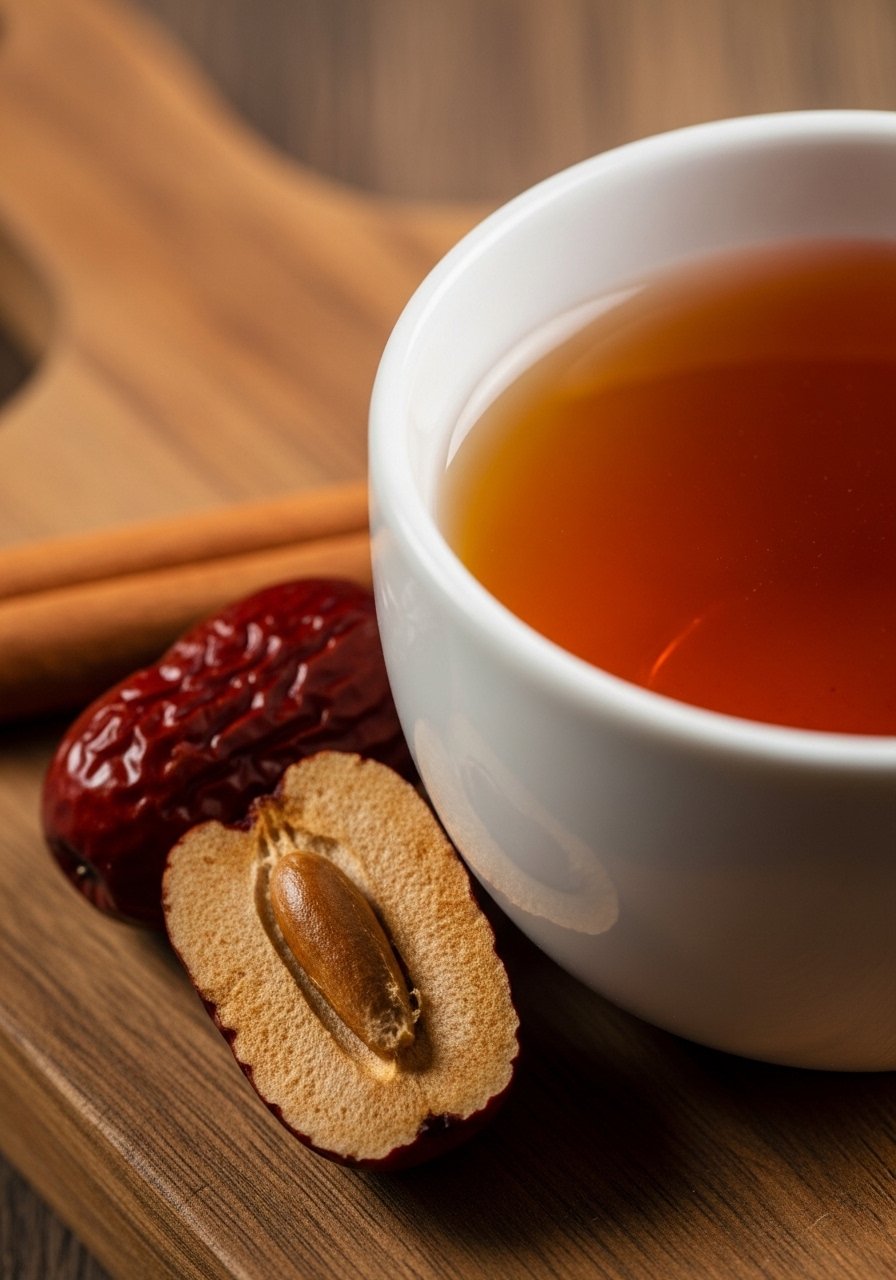
Drink one cup (150–200 ml) once or twice daily when cramps start. If symptoms are mild, a single cup in the evening often helps. For stronger cramps, have a cup in the morning and one at the first sign of pain.
Avoid drinking large volumes. Stick to the recommended herbs and amounts. Consistent, moderate use is safer and more effective than frequent heavy doses.
If you plan regular use across multiple cycles, note how your body responds and adjust frequency. Keep a simple log of timing and effect to refine what works for you.
Common Mistakes To Avoid
- Overconcentrating: don’t reduce too long—tea shouldn’t be syrupy. Over-reduction intensifies potency and side effects.
- Skipping the rinse: not rinsing can make the flavor dusty or bitter.
- Using too many added warming herbs: avoid doubling warming herbs (like cinnamon + mugwort) unless advised by a practitioner.
Always measure. Visual guessing leads to inconsistent results and unwanted side effects.
Safety And Contraindications
Dang gui (angelica) affects blood flow and is not recommended during heavy bleeding or if you’re on anticoagulants. If pregnant, breastfeeding, or on medication, consult your healthcare provider first.
Stop use and consult a clinician if you notice increased bleeding, allergic reactions, or unusual symptoms. Keep doses within listed amounts and inspect herb quality—buy from reputable sources.
Final Thoughts
This straightforward herbal tea gives a calming, warming cup tailored for menstrual cramps. Follow the measurements and simmer times for safe, repeatable results.
Make small tweaks only after noting how you felt. With simple tools and these steps, you’ll have a reliable go-to remedy when cramps arrive.