You want glossy, sweet-brown onions that melt into sauces, soups, or sandwiches—not burnt bits or floppy mush. This guide walks you through exactly how to get perfect caramelized onions every time.
You’ll learn precise timing, heat cues, and tool choices so you can stop guessing and start building reliable, deeply flavored onions. Follow the steps and tips below to nail the texture and color you want.
How to Caramelize Onions Perfectly
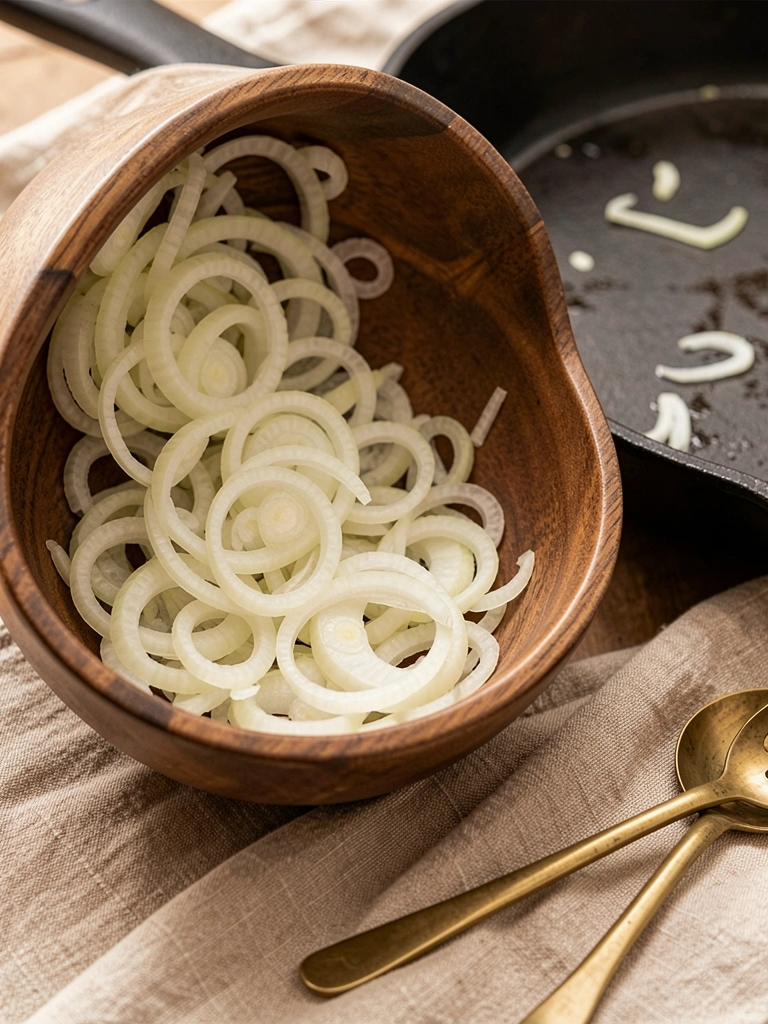
Caramelized onions are slowly cooked until soft, deeply browned, and jammy. They should be sweet, slightly nutty, and hold a silky texture without burning. This guide teaches the techniques and visual cues to reach that result.
Ingredients
- 2–3 large yellow onions (about 1.5–2 pounds) — best balance of sweetness and structure.
- 1–2 tablespoons neutral oil (vegetable, canola, or avocado) — helps even heat transfer.
- 1–2 tablespoons unsalted butter — adds richness near the end.
- 1/2 teaspoon fine salt — draws out moisture and seasons.
- 1–2 teaspoons water, vinegar, or wine (optional) — for deglazing if fond sticks.
- Optional: pinch of sugar only if your onions are exceptionally sharp.
Step-By-Step Instructions
Prep and Slice Evenly
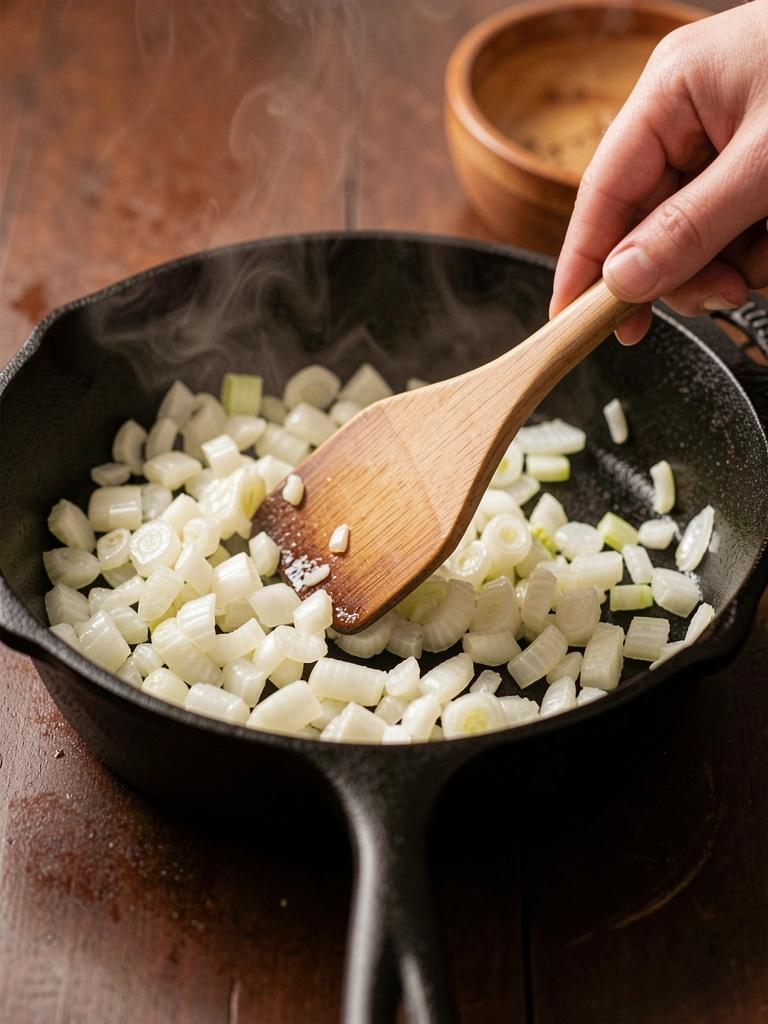
Trim root and stem, halve onions, and slice thinly (1/8–1/4 inch). Even slices cook uniformly; thick pieces take much longer, thin ones can collapse quickly. Use a sharp chef’s knife (like a Chef’s Knife on Amazon) or a mandoline for consistency.
Choose the Right Pan and Heat
Preheat a heavy skillet (cast iron or stainless, about 300–325°F surface temp) over medium-low. Add oil and heat until shimmering. A Lodge cast iron skillet gives even browning. Proper pan and gentle heat prevent burning and encourage fond.
Start Softening (15–20 minutes)
Add onions in an even layer, sprinkle salt, and let them soften without rushing. Stir every 3–5 minutes to prevent sticking. You’re aiming to release moisture and begin gentle browning; this stage builds sweetness.
Brown and Deglaze (20–40 minutes)
As moisture evaporates, brown bits (fond) form. Stir more frequently now — every 2–3 minutes — and scrape the fond into the onions. If browning stalls or bits threaten to burn, add 1–2 teaspoons of water, vinegar, or wine to deglaze. This lifts flavor and keeps temperature controlled.
Finish Low and Slow
Lower heat to low and continue cooking until onions reach deep mahogany (total 40–60 minutes depending on batch size). Stir occasionally; patience yields jammy texture and rich color. Finish with butter for shine and flavor, then cool briefly before storing.
Best Onions to Use
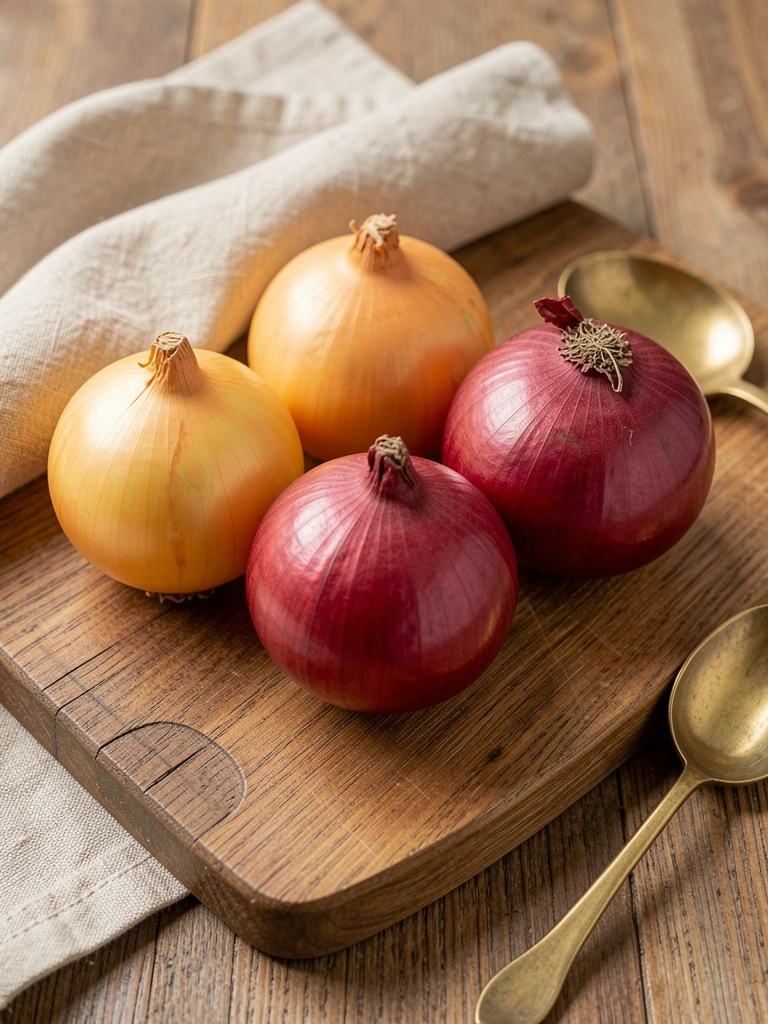
Yellow onions are the go-to for caramelizing because they balance natural sugars and firmness. White onions caramelize faster but can turn sweeter and less complex. Sweet onions (Vidalia, Walla Walla) are tasty but can become too soft sooner—slice slightly thicker if using them.
Choose firm, dry bulbs with tight skins. Larger onions give longer slices and steadier cook times. If you prefer a more savory edge, mix in a small portion of red onion for color and complexity.
Tools & Equipment (What Works Best)
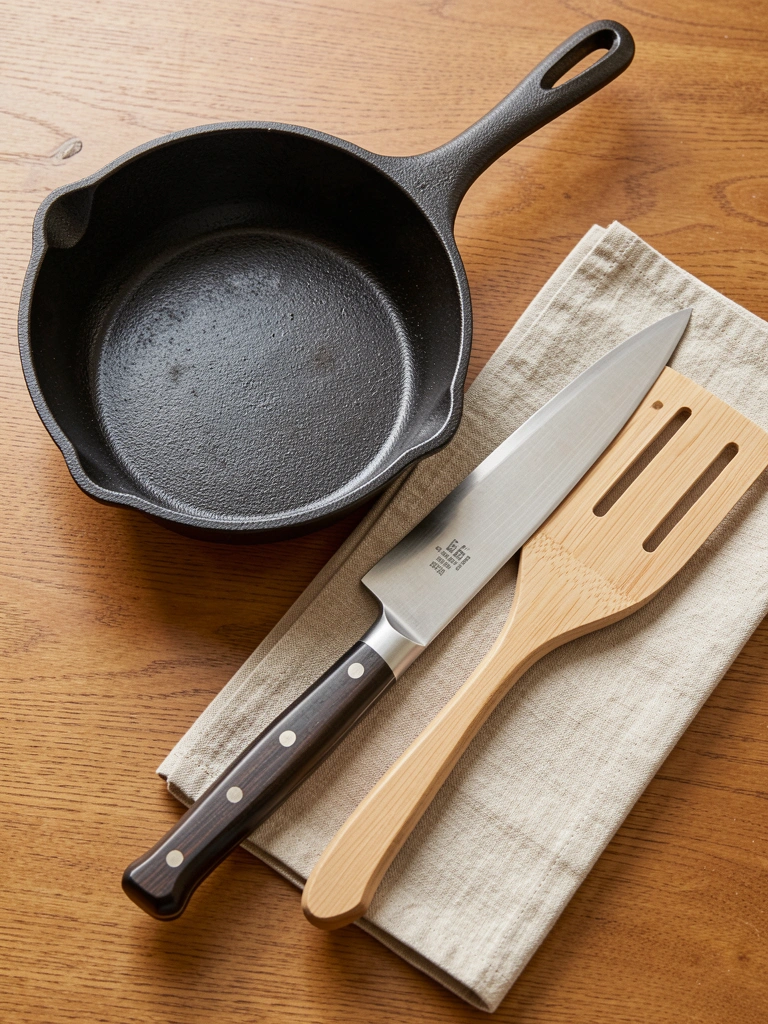
Use a heavy-bottomed skillet for even heat: cast iron or thick stainless is ideal. A wooden spoon or heatproof spatula helps scrape fond without scratching cookware. A sharp knife matters—ragged cuts cook unevenly. Recommended: Lodge cast iron skillet, Victorinox chef’s knife, and a wooden spatula.
Keep a splatter screen or lid handy if you need to speed softening initially, but avoid covering long-term—you want evaporation to concentrate sugars. Good lighting and patience are your best tools.
Troubleshooting: Fix Common Problems
- Burnt edges but raw centers: Heat was too high. Remove pan from heat briefly, lower heat, and add a splash of water to loosen stuck bits. Stir and continue on lower heat.
- Onions never brown, only stew: Too much water or covered too long. Uncover, increase heat slightly, and stir more often to allow evaporation.
- Bitter or acrid flavor: Likely burned. Scrape out burned bits and salvage by adding a splash of vinegar and cooking briefly to mellow flavors.
Small adjustments to heat and a few deglazing taps fix nearly every issue without wasting the batch.
Final Thoughts
Caramelizing onions is mostly about temperature control, even slicing, and patience. Follow visual cues—soft, then golden, then deep mahogany—and you’ll produce rich, sweet, jammy onions every time.
Keep the tools simple, cook low and slow, and don’t rush the browning stage. Once you’ve done it a few times, perfect caramelized onions become reliably fast to make.