You just realized the pot is too salty. Panic is normal. You can fix it—often in minutes.
This guide walks you through quick, practical fixes you can do right now. No fancy ingredients required.
Use the step-by-step options below to neutralize salt, balance flavor, or salvage the dish.
How to Fix Over-Salted Food Quickly
This guide shows practical fixes for over-salted soups, sauces, stews, and cooked grains. Focused, fast, and beginner-friendly, each method explains what to do and why it works so you can rescue dinner quickly.
Step-By-Step Guide
Taste and Stop
Taste carefully and stop adding anything. If salt is obvious, turn off heat or remove the pot from the burner. Stopping prevents concentration from evaporation and gives you time to choose a fix.
A small, accurate tasting note helps you decide—too salty overall, salty pockets, or just the surface? Use a clean spoon or tasting spoon (stainless tasting spoons).
Dilute with Unsalted Liquid
Add plain liquid—water, unsalted stock, or milk—slowly. For soups or stews, add 1/4–1/2 cup at a time, stir, simmer 3–5 minutes, then taste. Heat helps flavors meld and may require extra simmer time.
This lowers salinity per volume. Use a measuring cup (glass measuring cup) to keep amounts controlled.
Add Starch or Bulk
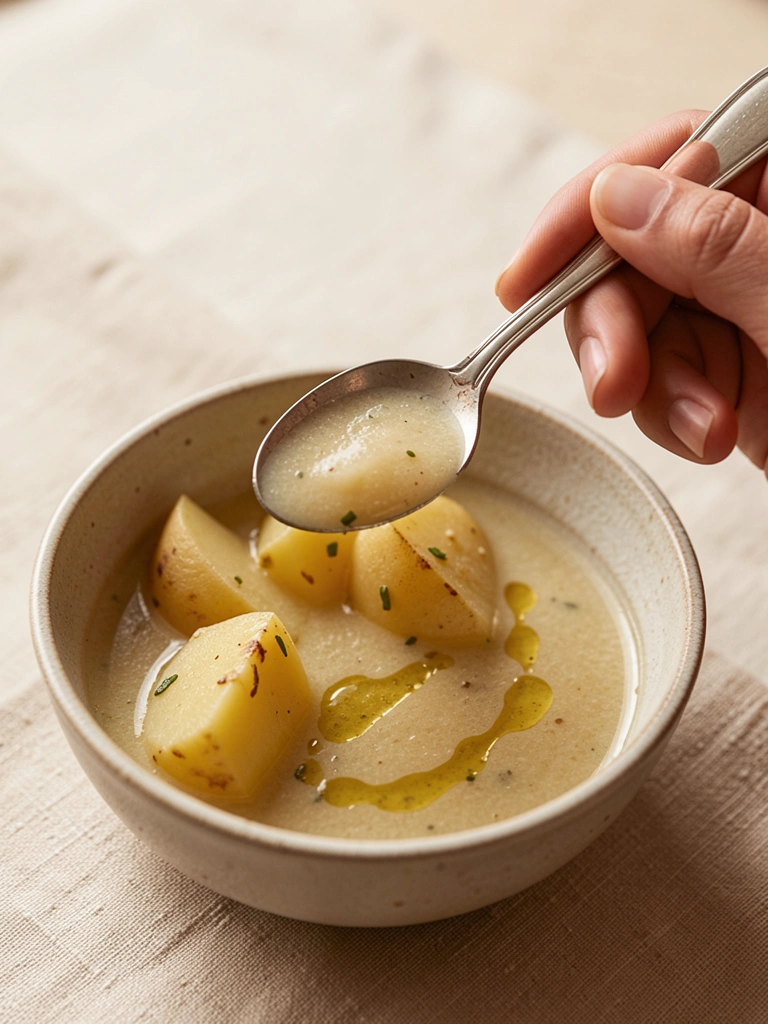
Toss in peeled raw potato chunks (cook 10–15 minutes), cooked rice, or pasta to absorb salt. Use 1 medium potato for a quart of soup, or 1/2–1 cup cooked rice for thicker stews.
Remove the potato before serving. Starches pull salt into themselves and increase volume, reducing perceived saltiness.
Balance with Acid, Fat, or Sweet
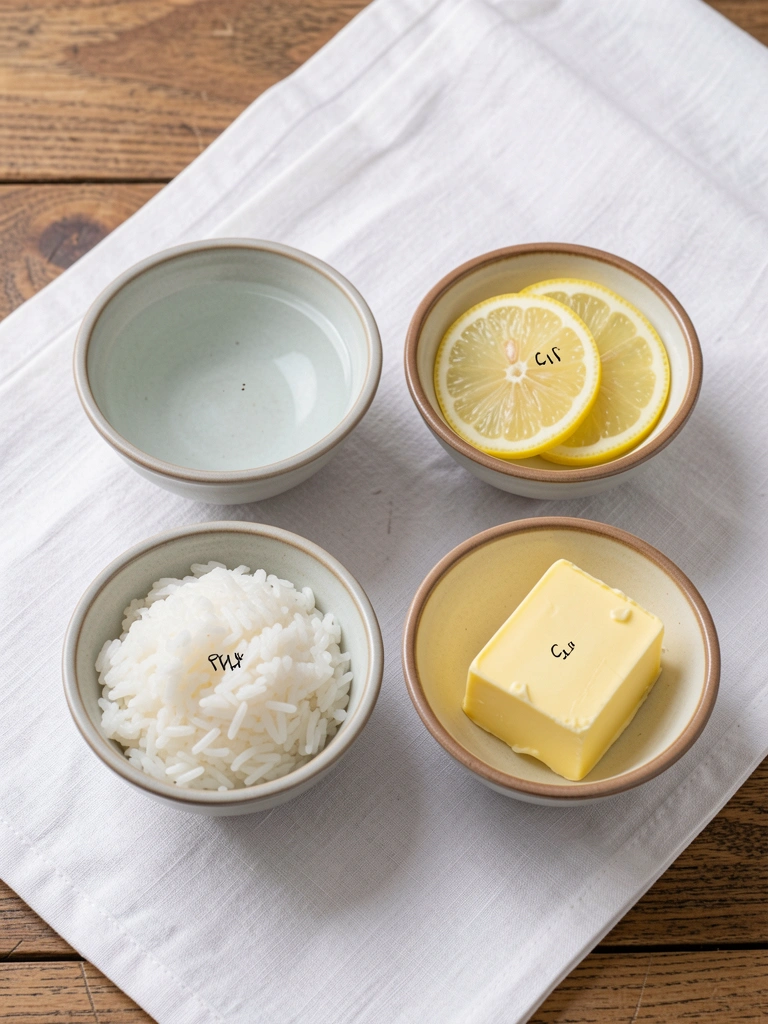
Bright acids like lemon juice or vinegar (start with 1 tsp per cup) can mask salt. Fat (a pat of butter or splash of cream) rounds sharpness. A pinch of sugar or honey (1/4–1 tsp) tames metallic salt notes.
Add in small increments, stir, wait 1–2 minutes, taste, and repeat. Each adjustment changes the flavor profile—aim for balance.
Remove Salty Concentrations & Salvage
If salt is in a sauce or pan pocket, dilute sections and skim the surface. For sauces, make a new unsalted base (blanc, béchamel, or extra tomato sauce) and blend to dilute instantly.
If beyond repair, repurpose: use the salty mix as a base for brined meats, mix into a heavily sweetened glaze, or stretch with unsalted stock and bulk. Keep a ladle (long-handled ladle) handy to transfer and taste small portions.
Best Quick Fixes by Dish Type
Soups & Stews: Dilute and simmer, then add starch or acid. Soups respond well to simmering 3–10 minutes after adding a fix so flavors meld.
Sauces & Gravies: Create a small neutral base (unsalted cream or stock) and whisk into the sauce. For thick sauces, add a spoonful of sugar plus a swirl of butter to round flavors.
Rice, Grains & Beans: Rinse if possible (cold water for rice only if still uncooked). For cooked grains, fold in unsalted cooked rice or potatoes and a touch of acid to balance.
Tools & Ingredients To Keep On Hand
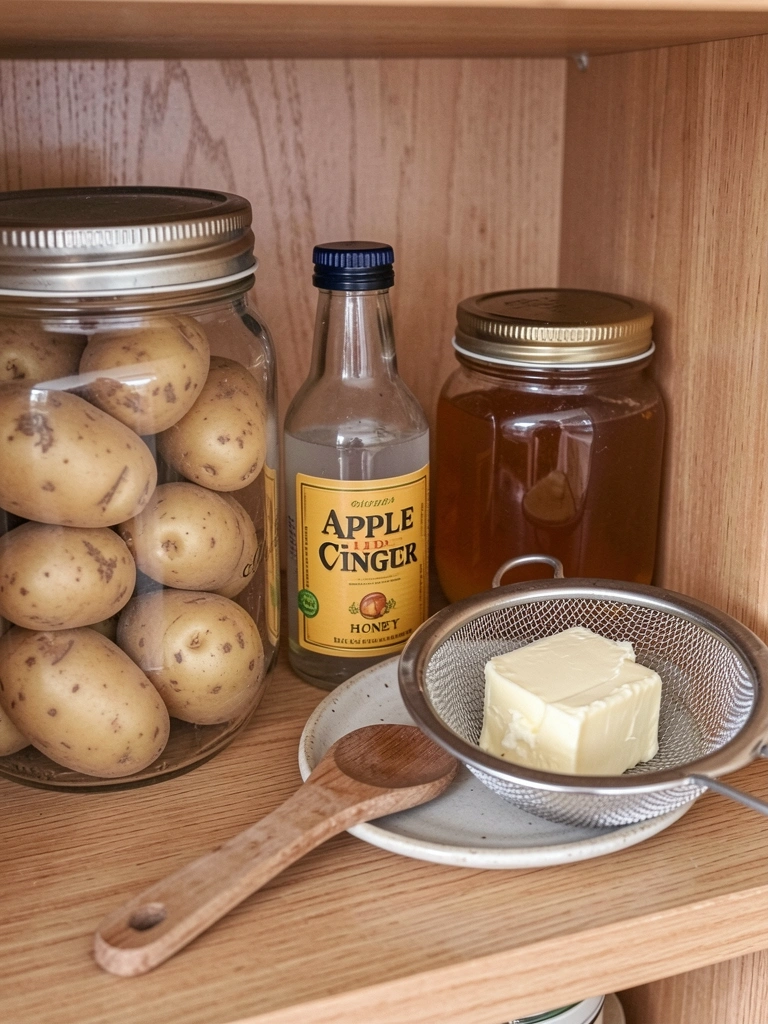
Keep simple rescue items: potatoes, plain stock or broth, rice/pasta, a bottle of vinegar or lemons, butter or cream, and sugar or honey. These let you try multiple fixes quickly.
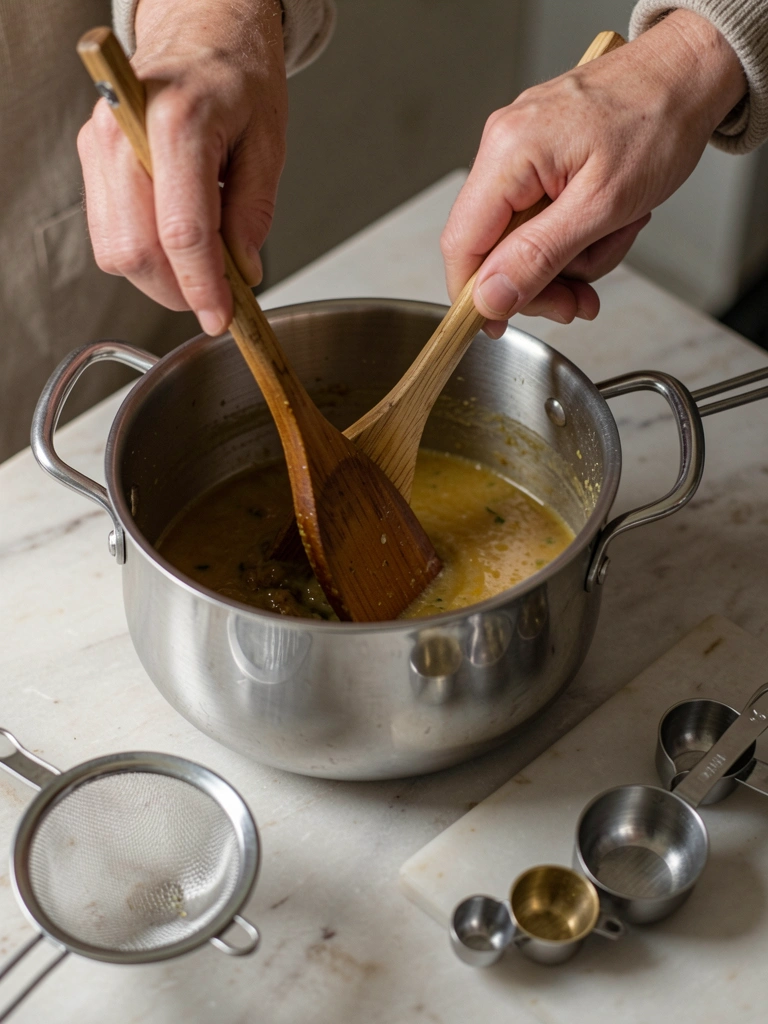
Useful tools: a good wooden spoon, measuring cups, a fine-mesh sieve for skimming, and small prep bowls to add ingredients incrementally. Having them at the ready saves time and guesswork.
When It’s Beyond Repair (and How To Salvage)
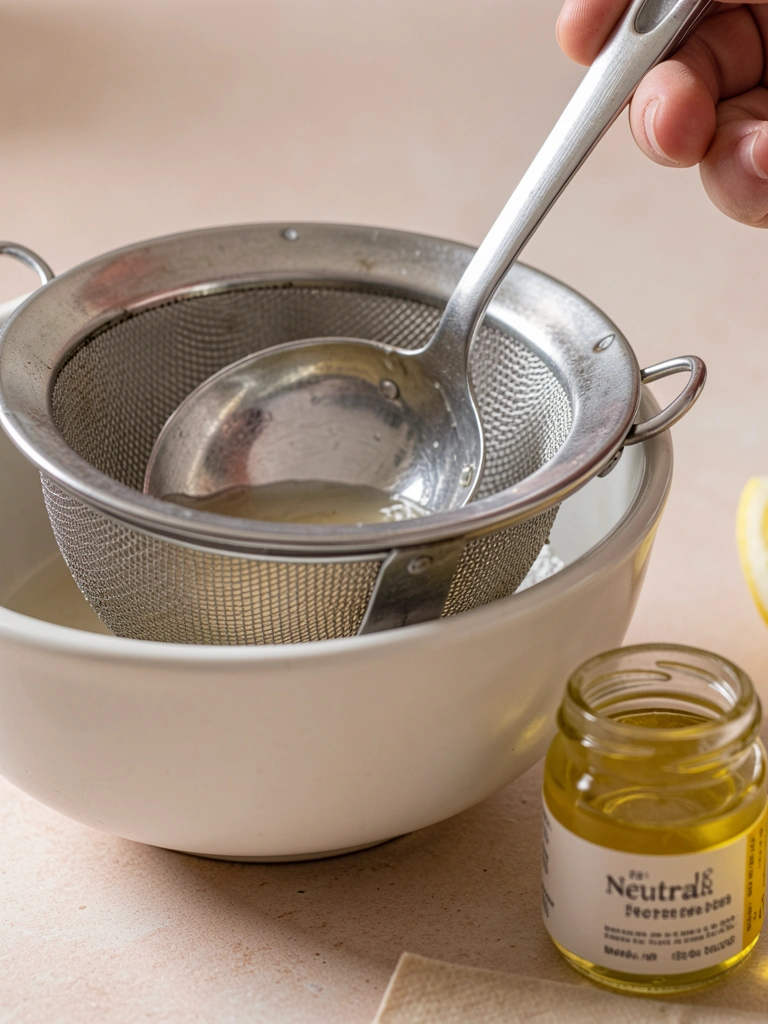
If the dish still tastes unbalanced after several fixes, don’t waste it. Turn it into a different component: a salty stew can become a filling for a savory pie when combined with unsalted mashed potatoes. Or dilute heavily and use as a cooking broth for grains.
Label leftovers clearly and avoid serving if the saltiness could harm guests with dietary restrictions. Salvage creatively rather than trashing.
Final Thoughts
You can usually rescue over-salted food with quick dilution, absorption, or balancing tweaks. Work in small increments, taste often, and choose the method that fits the dish.
Keep a small “rescue kit” in your kitchen: potato, vinegar/lemon, starch, fat, and a few tools. Calm adjustments beat panicked overcorrection.