You’ve made a sauce you love—then it’s too thin. That’s fixable, fast, and often reversible.
This guide walks you through reliable, beginner-friendly methods to thicken any sauce: what to use, when, and exactly how to do it. You’ll learn visual cues, temperatures, and the right tools so your sauce ends up with the texture you want.
No guesswork. Just practical steps you can try right now.
How to Make Sauce Thicker
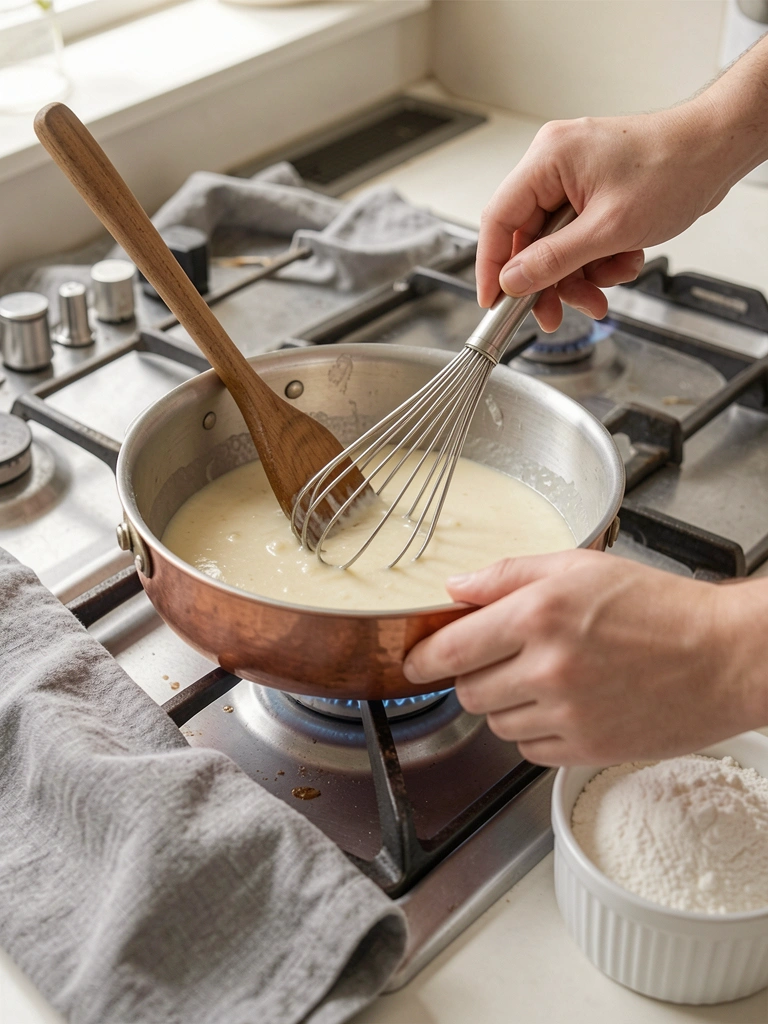
You’ll learn multiple ways to thicken sauces—starch, reduction, butter, egg liaison, and modern thickeners. Each method shows expected texture, timing, and when to choose it for best flavor and sheen.
Step-By-Step Guide
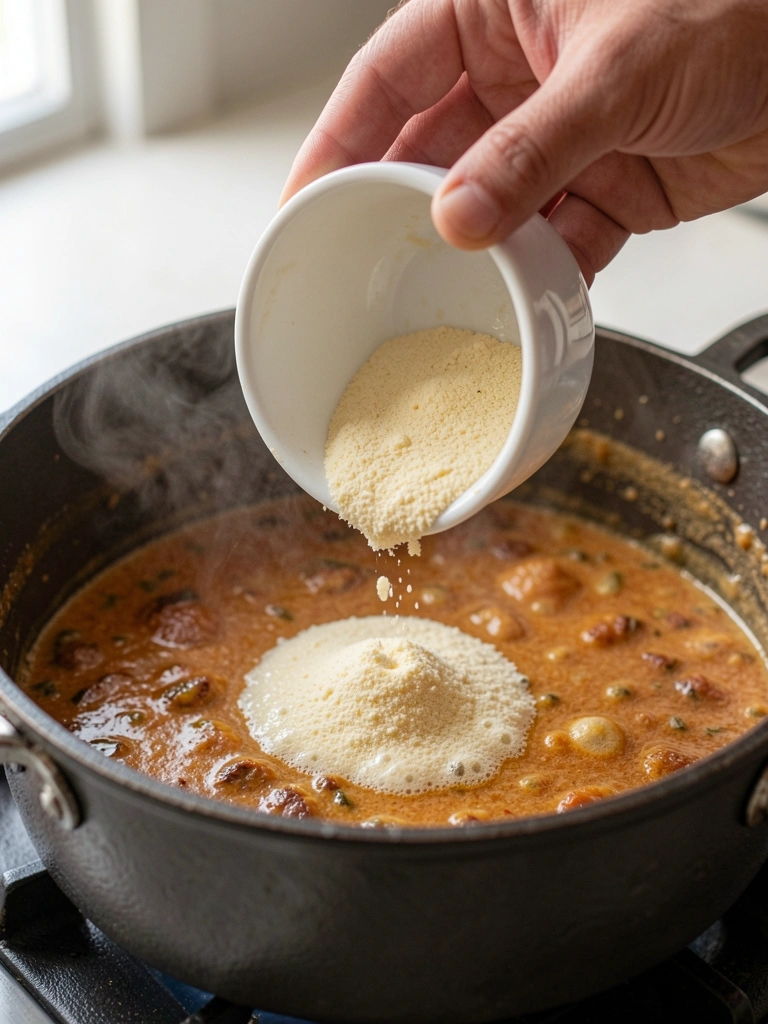
Reduce Over Medium Heat
Bring the sauce to a gentle simmer in a heavy-bottomed saucepan to avoid scorching. Simmer, uncovered, stirring often.
Watch the volume drop and surface texture change—tiny bubbles and a visible spoon trail indicate reduction. Expect 5–20 minutes depending on thinness. Use a heavy-bottomed saucepan for even heat (recommended: Heavy-Bottomed Saucepan (Amazon affiliate)).
Make a Cornstarch Slurry
Mix 1 tablespoon cornstarch with 1–2 tablespoons cold water per cup of sauce. Whisk until smooth.
Whisk the slurry into a simmering sauce and cook 1–2 minutes until glossy and slightly thickened. Cornstarch works fast and stays clear—good for glossy pan sauces and gravies.
Make a Roux (for rich, flour-thickened sauces)
Cook equal parts flour and butter (by weight) over medium heat—2 minutes for pale roux, longer for nuttier flavor. Whisk in warm liquid slowly.
Simmer 5–10 minutes. Roux adds body and a cooked flour flavor; great for cream sauces and stews. Use a silicone whisk for smooth results (recommended: Silicone Whisk (Amazon affiliate)).
Use Beurre Manié for Quick Finish
Knead equal parts cold butter and flour into a paste. Whisk small pieces into simmering sauce until smooth.
This is ideal for last-minute thickening and adds silkiness without overcooking. Add gradually—30–60 seconds per addition—until you hit the texture you want.
Egg Yolk Liaison (for delicate, creamy sauces)
Temper 1 egg yolk per cup by whisking a little hot sauce into the yolk, then slowly whisk yolk back into the pot over very low heat.
Heat gently—do not boil—or the yolk will scramble. Stir until sauce thickens slightly and coats the back of a spoon. Perfect for velouté or classic French sauces.
Modern Fixes: Arrowroot, Tapioca, Xanthan
Arrowroot works like cornstarch but at lower temps and freezes better—use same slurry method. Xanthan gum needs tiny amounts (¼ tsp per cup) whisked into cold liquid or sprinkled while whisking to avoid clumps.
These are powerful—add slowly and test. They’re great for gluten-free and low-temp finishes.
Best Thickening Agents And When To Use Them
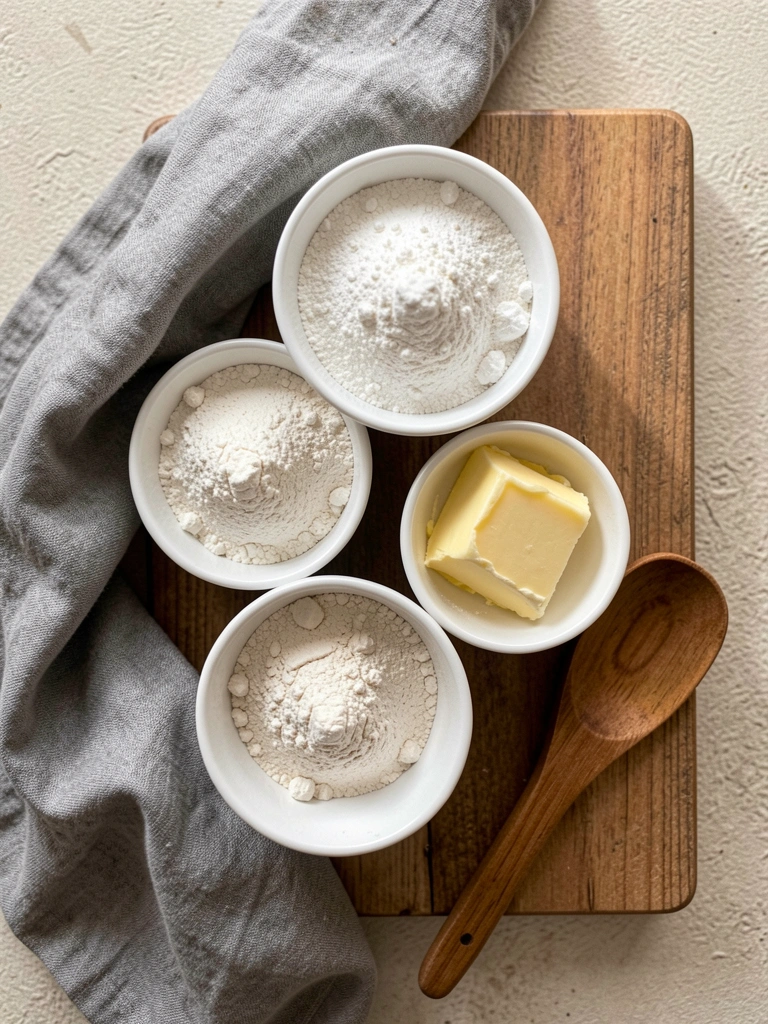
Cornstarch: fast, clear finish; best for pan sauces and glossy gravies. Use slurry and cook briefly.
Flour (roux/beurre manié): adds body and a toasty depth; best for cream-based sauces and stews. Needs cooking to remove raw taste.
Arrowroot: crystal-clear, works at lower temps, freezes well. Use like cornstarch.
Xanthan gum: very efficient for cold or low-volume sauces—use with restraint and whisk vigorously to avoid sliminess.
Quick Fixes For Different Sauce Types
- Thin pan sauce: Reduce over medium heat 3–10 minutes, stirring; finish with beurre manié if needed.
- Cream or milk-based sauce: Thickening with roux prevents graininess; heat gently and whisk constantly.
- Tomato-based sauce: Long simmer for reduction concentrates flavor; add a small slurry if time is short.
- Cold or salad dressings: Use xanthan gum (tiny pinch) or emulsify with a blender to add body.
Each fix considers flavor. Choose a method that won’t mask delicate ingredients—egg liaison for delicate cream sauces, reduction for strong-flavored tomato sauces.
How To Avoid Over-Thickening And How To Rescue It
If the sauce becomes too thick, you can always thin it. Add warm liquid—water, stock, or milk—one tablespoon at a time while whisking. Reheat gently.
For starch-thickened sauces, simmer briefly after thinning to re-integrate; for egg-thickened sauces, add warm liquid off heat and whisk to stabilize. If a sauce is gummy from too much starch, strain through a fine-mesh sieve and thin with stock.
Final Thoughts
You now have several clear, practical ways to thicken sauces—pick the method that matches your sauce and flavor goals. Start small, watch visual cues, and adjust gradually.
With a few tools and these steps, you’ll rescue runny sauces and craft the exact texture you want—confidently.